Who We Are
HyperFocus is a sound-based productivity project created for people who struggle with distraction, overstimulation, mental fatigue and deep work consistency.
We build long-form audio sessions that feel serious, useful and repeatable: the kind of sound environment you can use every day for work, study, writing, coding, reading or planning.
A digital media team focused on attention.
The project is developed by a small digital media team with experience in content creation, audio production, SEO, web systems and online publishing.
That combination matters: HyperFocus is not only about making sound. It is about understanding how people search for help, how they use long-form content, what blocks concentration and how a simple audio environment can become part of a repeatable productivity routine.
We are not presenting HyperFocus as medical treatment. We are building practical focus tools for modern work: clear titles, structured sessions, consistent audio, and a listening experience designed to help users start and stay with the task.
Our principles
- Clarity over hype.
We avoid exaggerated promises and focus on practical use. - Structure over randomness.
Each session is built around a specific problem or work state. - Long-form by design.
The listener should not need to keep choosing new audio. - Useful language.
We explain what a session is for and how to use it.
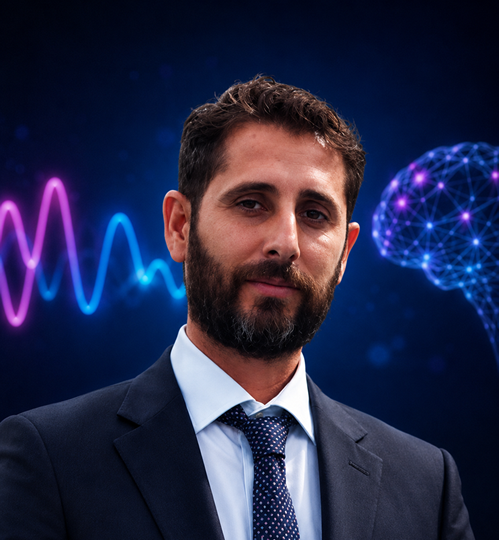
Hi, I'm Luis Gómez.
I'm an Industrial Designer trained at Barreira A+D in Valencia, and a web programmer and designer with a career in graphic and web design going back to the year 2000.
HyperFocus is where those two backgrounds meet: design experience to give the channel a clean, intentional look, and technical skill to actually build the sound itself — not just dress it up.
The channel was born out of a simple frustration: most "focus music" content online is generic. We wanted to build something with real sound design behind it, audio engineered around real frequencies that are actually present in the file, not just a title that mentions them.
Why we don't use AI-generated music
A lot of channels in this space generate a track with an AI music tool and add "40Hz" or "Gamma" to the title. The problem: those tools generate something that sounds musical, but they don't guarantee that the stated frequency is actually embedded in the audio as a controlled, measurable signal.
We do the opposite. Every binaural layer in our sessions is generated, not guessed — built from precise tone parameters rather than asked for from a generative model.
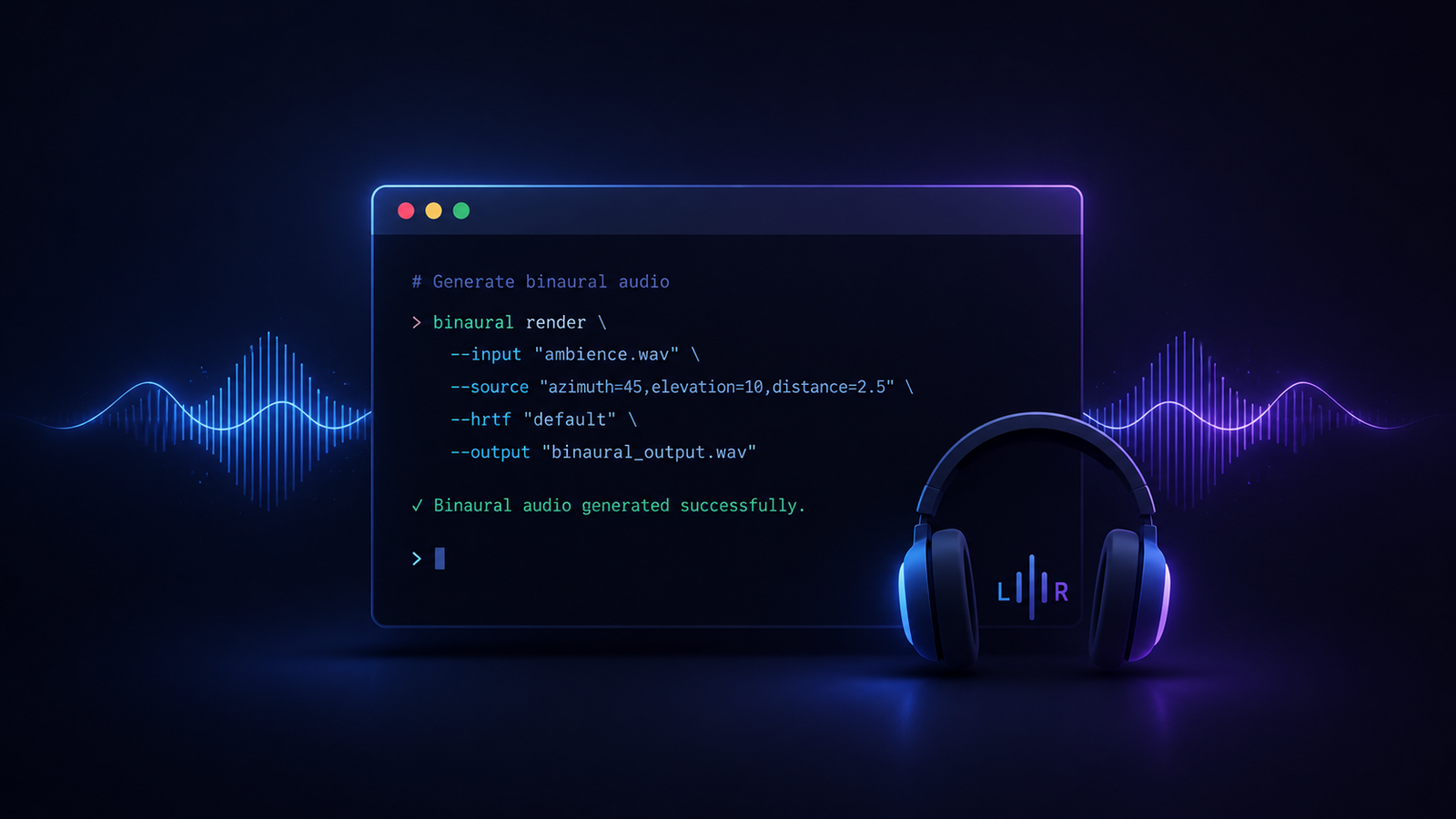
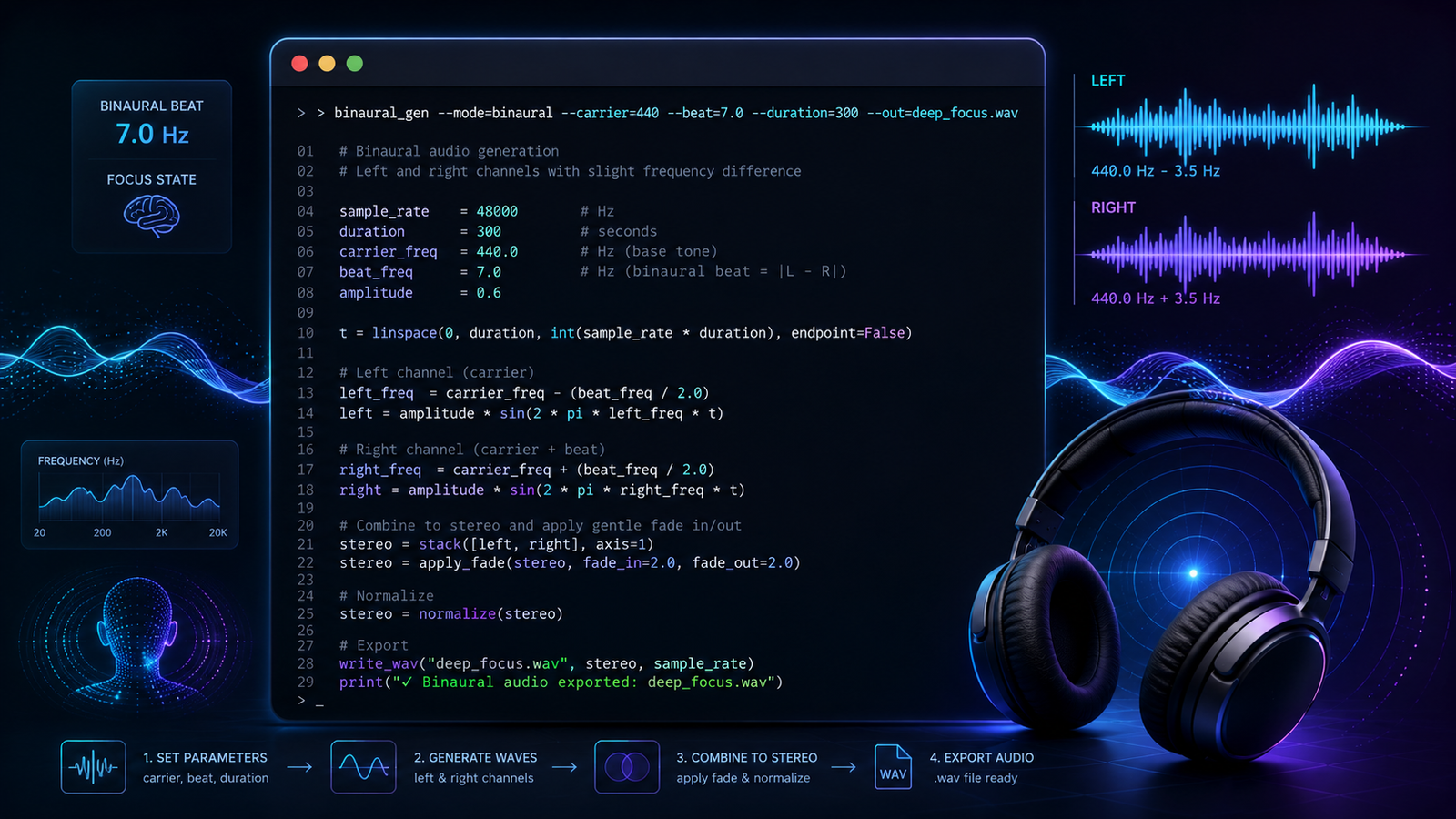
How the tones are actually built
Instead of relying on pre-made tracks, we write our own tools to generate the binaural tones from scratch. Using custom scripts, we control the exact carrier frequency for each ear, the precise beat frequency between them, the fade-in and fade-out curves, the stereo separation and the total session length down to the second.
This same pipeline lets us batch-render, layer and stitch together long-form sessions automatically — combining tones, mixing levels and exporting the final two-hour file without manual splicing or guesswork. It's the difference between "we think this is 40Hz" and "this file is mathematically generated at 40Hz, verified end to end."
It's slower than clicking "generate" on an AI tool. But it means every Hz number on this site corresponds to something real inside the audio.
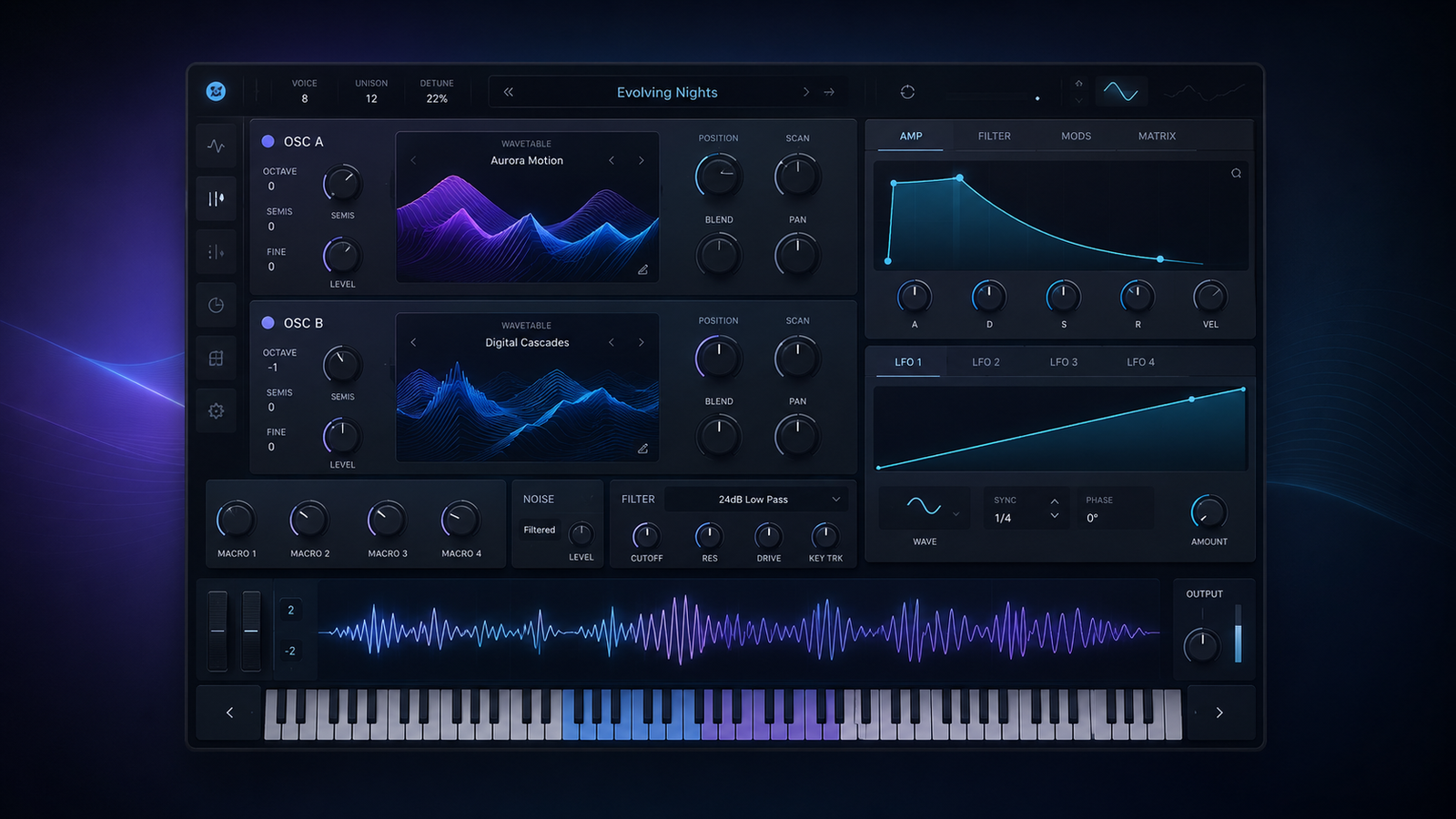
Sound design with real synthesis tools
The ambient layers — pads, textures and the atmosphere underneath each binaural tone — aren't stock loops either. We design them ourselves using open-source synthesis studio tools like Vital and Waveform, building our own pad sequences and enveloping layers from the ground up.
Each session gets its own sound palette, composed to match the specific state we're targeting: calmer and warmer for stress recovery, brighter and more present for active deep work.
A research step before every session
Before a session is built, we study the frequencies, tone types and rhythms that fit the goal, cross-checked against the available scientific evidence on attention, relaxation and sound — see our Science page for the sources we work from. The aim isn't to chase a viral title; it's to make sure the structure of each session has an actual reason behind it.
Why HyperFocus exists
Modern work is surrounded by notifications, short-form content, multitasking, stress and digital overload. HyperFocus was created to offer a simple counterweight: press play, choose the task, and work inside one stable sound environment.